Advancing the science that makes fusion energy possible

Discovery at the core of fusion
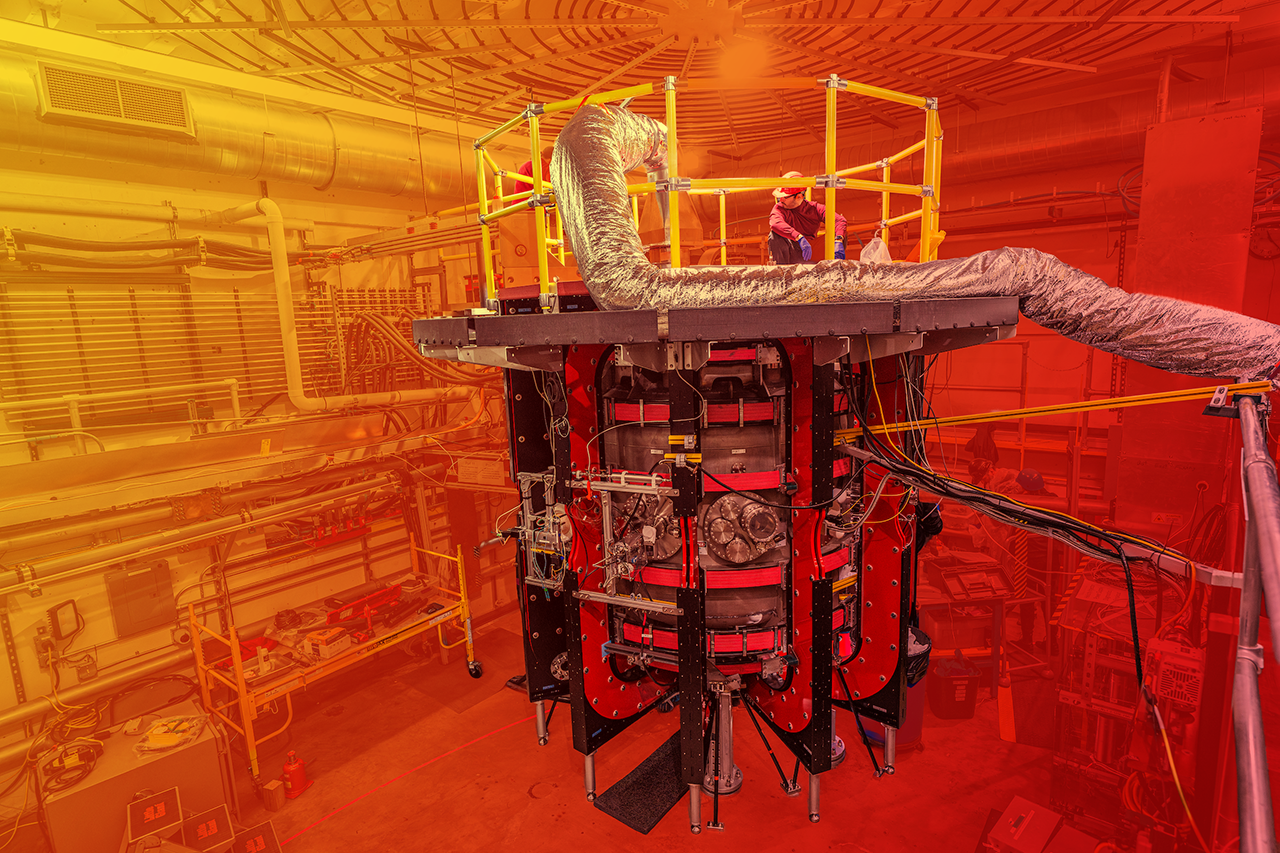
Pegasus-III is a fusion science research program within the Department of Nuclear Engineering and Engineering Physics at the University of Wisconsin–Madison, supported by the U.S. Department of Energy Office of Science. Through innovative experiments in a compact spherical torus, researchers are expanding our understanding of the plasmas that make fusion energy possible.
Our mission is to advance understanding of fusion plasmas through research, education, and collaboration. By exploring the science that governs plasma behavior, Pegasus-III contributes to the worldwide effort to develop fusion as a clean, safe, and virtually limitless source of energy.
Building the scientific foundation for fusion energy
At the core of every fusion system is plasma, a superheated state of matter that powers the sun and stars. Pegasus-III provides a unique platform for exploring how plasmas behave under fusion-relevant conditions, expanding our understanding of the science that makes fusion energy possible. Through experimentation and discovery, researchers investigate the physics that governs plasma performance, helping answer critical questions about how future fusion systems can operate safely, efficiently, and reliably.
Our research areas:
Plasma confinement and transport
Stability and control

Spherical torus physics
Plasma startup and sustainment
Advanced operating scenarios
Experimental validation of plasma theory
Together, these investigations advance scientific understanding of confined plasmas and help inform future fusion experiments and reactor concepts.
Understanding the plasma that powers fusion
Fusion energy depends on both scientific discovery and technological innovation. At UW–Madison, Pegasus-III contributes a unique piece of that puzzle.
While many fusion programs focus on developing the technologies needed for future reactors, Pegasus studies the plasma itself. By exploring how researchers can create, confine, and control plasmas in compact spherical torus systems, they generate knowledge that helps guide the future of fusion energy.
If fusion technology answers how to build a reactor, Pegasus-III helps answer how the plasma inside that reactor will behave.
As part of one of the nation’s leading university fusion ecosystems, Pegasus-III helps connect fundamental plasma science to the broader innovations that will enable future fusion power systems.
Contributing to the future of fusion energy
Fusion energy could provide clean, safe, and virtually limitless power. Pegasus-III advances the plasma science that underpins fusion energy and expands the knowledge needed to enable next-generation fusion systems. As part of UW–Madison’s world-leading fusion ecosystem, our research helps transform scientific discovery into energy innovation.
Educating the next generation of fusion leaders
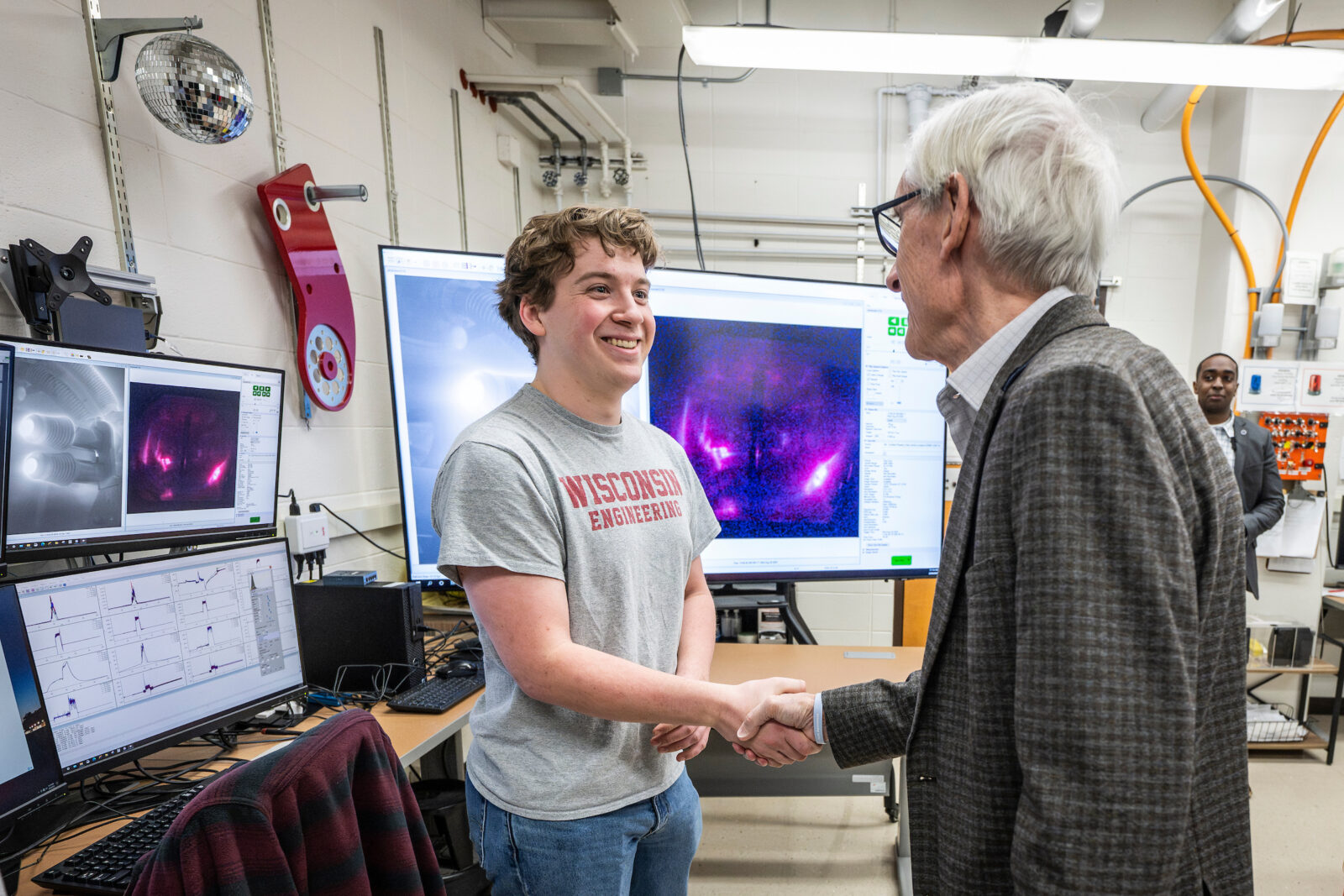
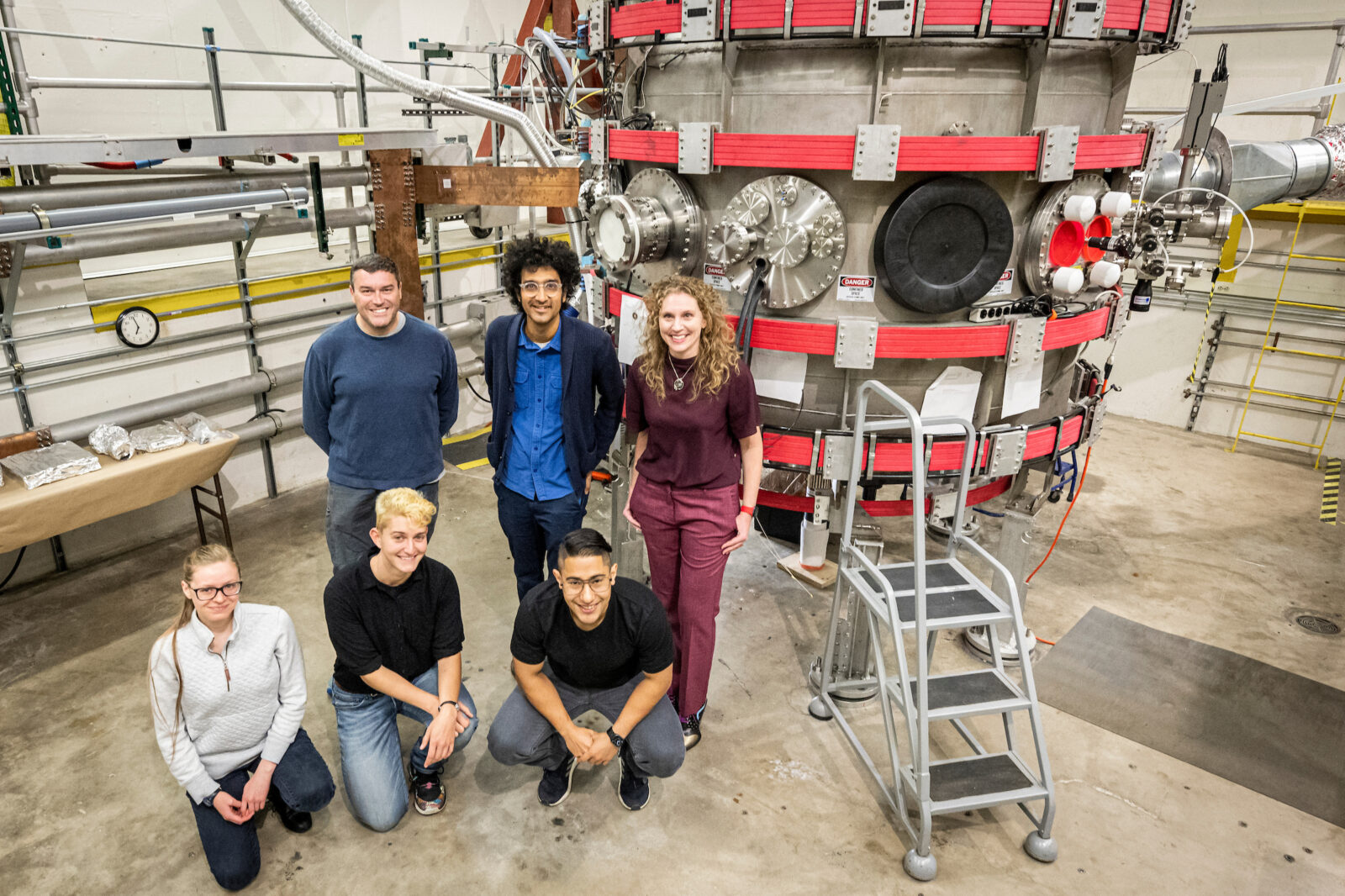
Pegasus-III brings together researchers, engineers, and students to advance fusion science through hands-on experimentation and discovery. Our research lab helps develop the knowledge, skills, and workforce needed to shape the future of fusion energy.